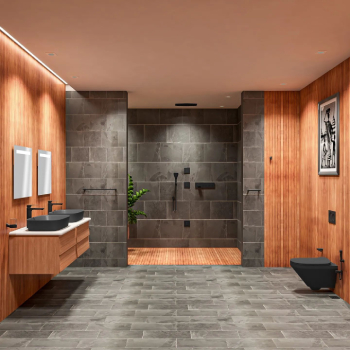
Wall-Hung Toilet: Redefining Modern Bathroom Spaces
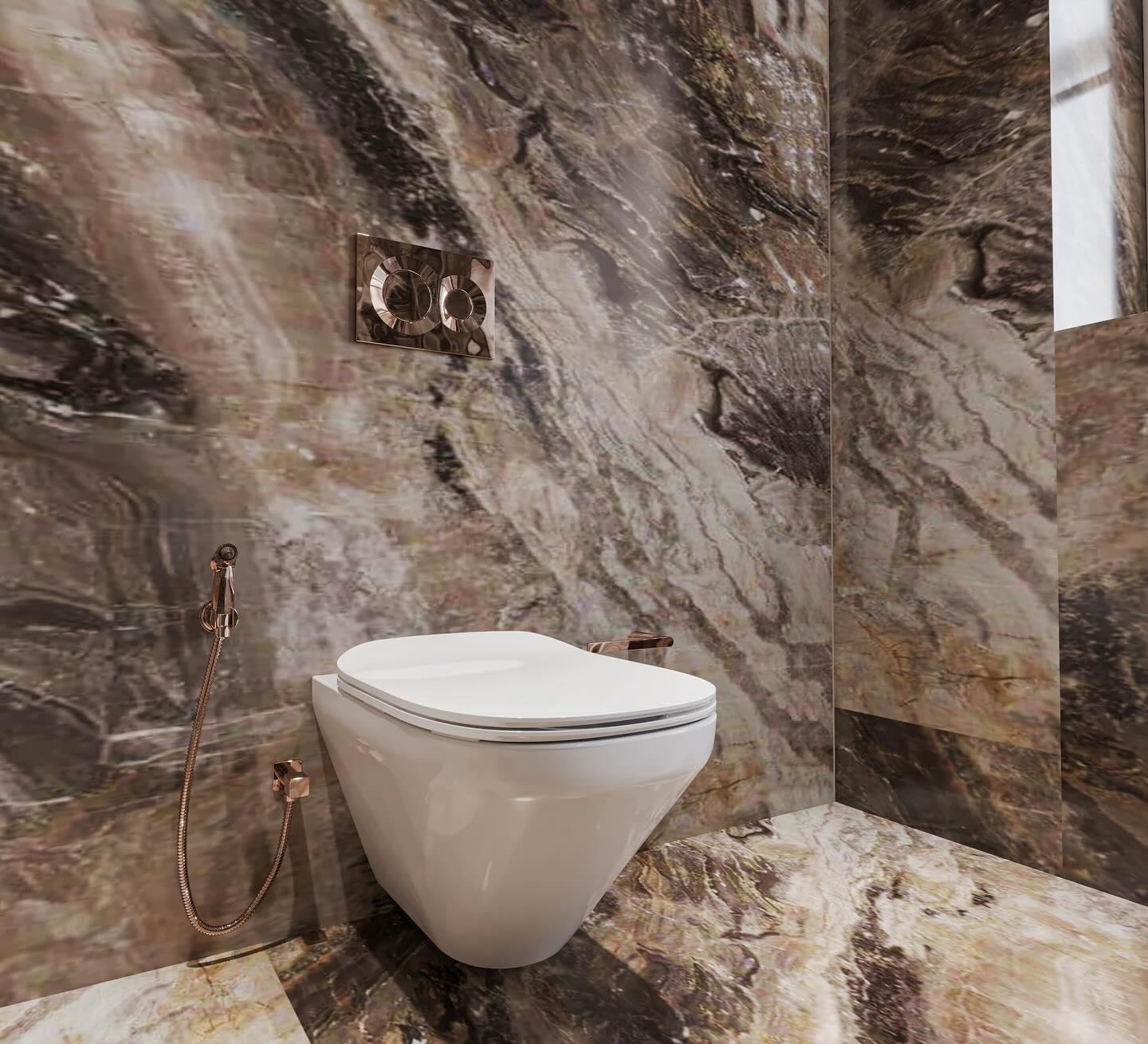
Bathroom fixtures have gone through a radical shift in recent times. What once served purely functional purposes now has a big role to play to shape look and feel of the bathroom space. The commode toilet is among the main focuses of this shift, evolving into a design element that absolutely defines room character. The wall-hung toilet represents perhaps the most dramatic departure from conventional fixture placement.
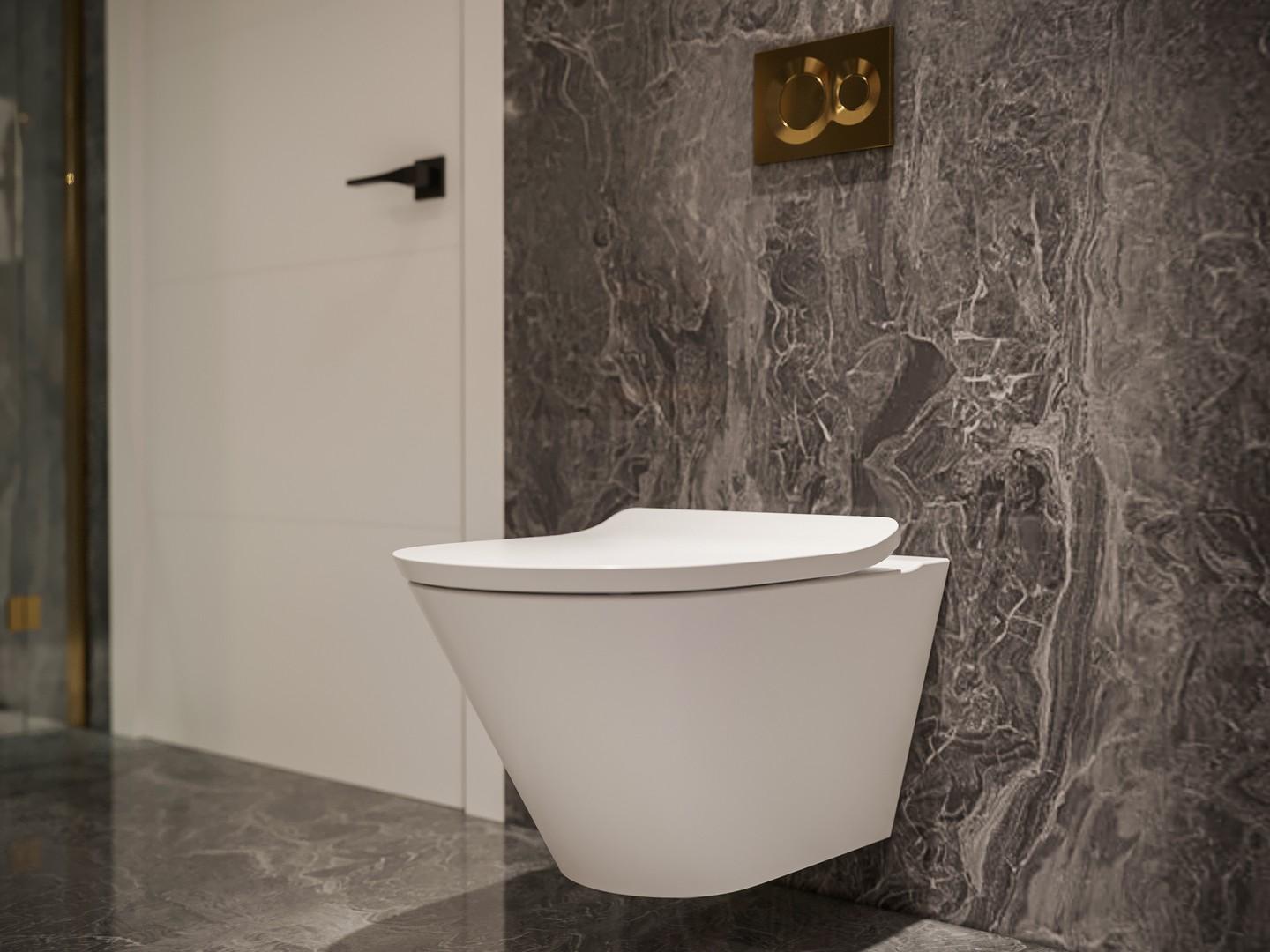
Floating Design Creates Visual Space
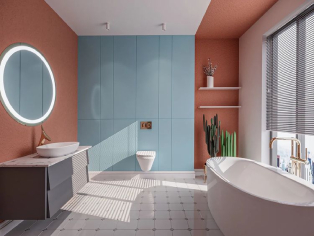
Walk into a bathroom fitted with a wall-hung toilet. The fixture appears to hover against the wall. Floor tiles run beneath it uninterrupted. The cistern and plumbing hide inside the wall cavity. This mounting approach transforms how bathrooms feel.
The wall-hung toilet section frees up floor area that traditional models consume. Sight lines extend across continuous flooring rather than stopping at a fixture base. Smaller bathrooms gain breathing room. Urban apartments with tight dimensions particularly benefit from this spatial shift. Kohler Africa and similar manufacturers design these fixtures with slim profiles that maximise the floating effect.
Cleaning Access Gets Simpler
Bathroom maintenance happens weekly in most households. Traditional toilet bases create corners and gaps around plumbing connections. These spaces trap dust and require awkward manoeuvring to clean properly.
The wall-hung commode removes these obstacles. Mops sweep straight across the floor beneath the bowl. Cleaning tools reach every area without obstruction. Tasks that typically require extra time and effort become quick routines.
Better access means better hygiene. Thorough cleaning happens naturally when surfaces stay within easy reach. The design removes physical barriers to proper maintenance.
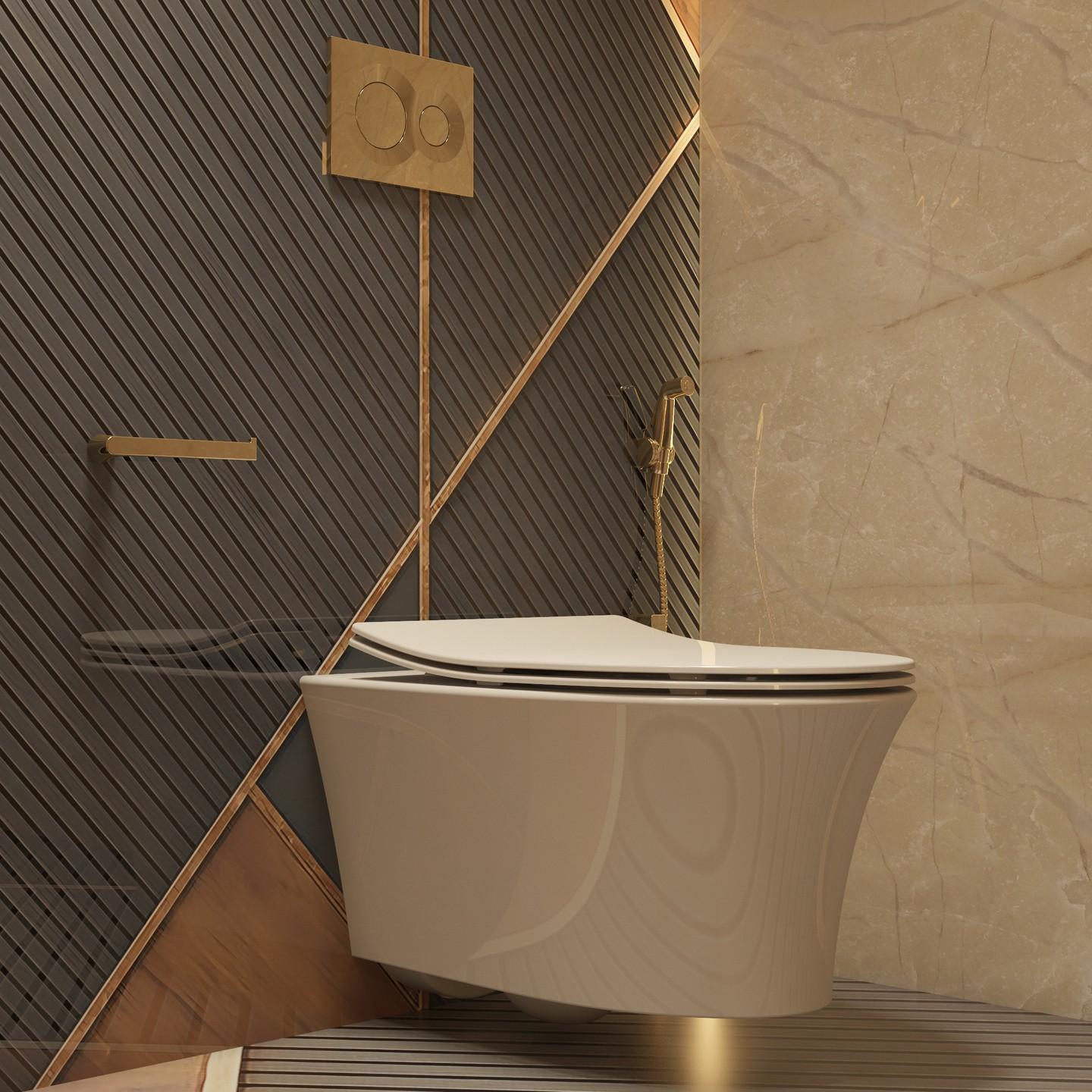
Height Adjustment Matches User Needs
Standard toilets are installed at fixed heights determined by manufacturing specifications. These measurements work adequately for average requirements. The wall-hung toilet breaks from this one-size-fits-all approach.
Mounting height adjusts during installation. Taller users benefit from elevated positioning. Mobility considerations determine optimal placement. The toilet seat design height affects comfort multiple times daily.
Contractors position the fixture where it works best for actual users. This customisation creates tangible improvements in daily bathroom use. Fixtures adapt to people rather than forcing people to adapt.
Clean Lines Define Contemporary Aesthetics
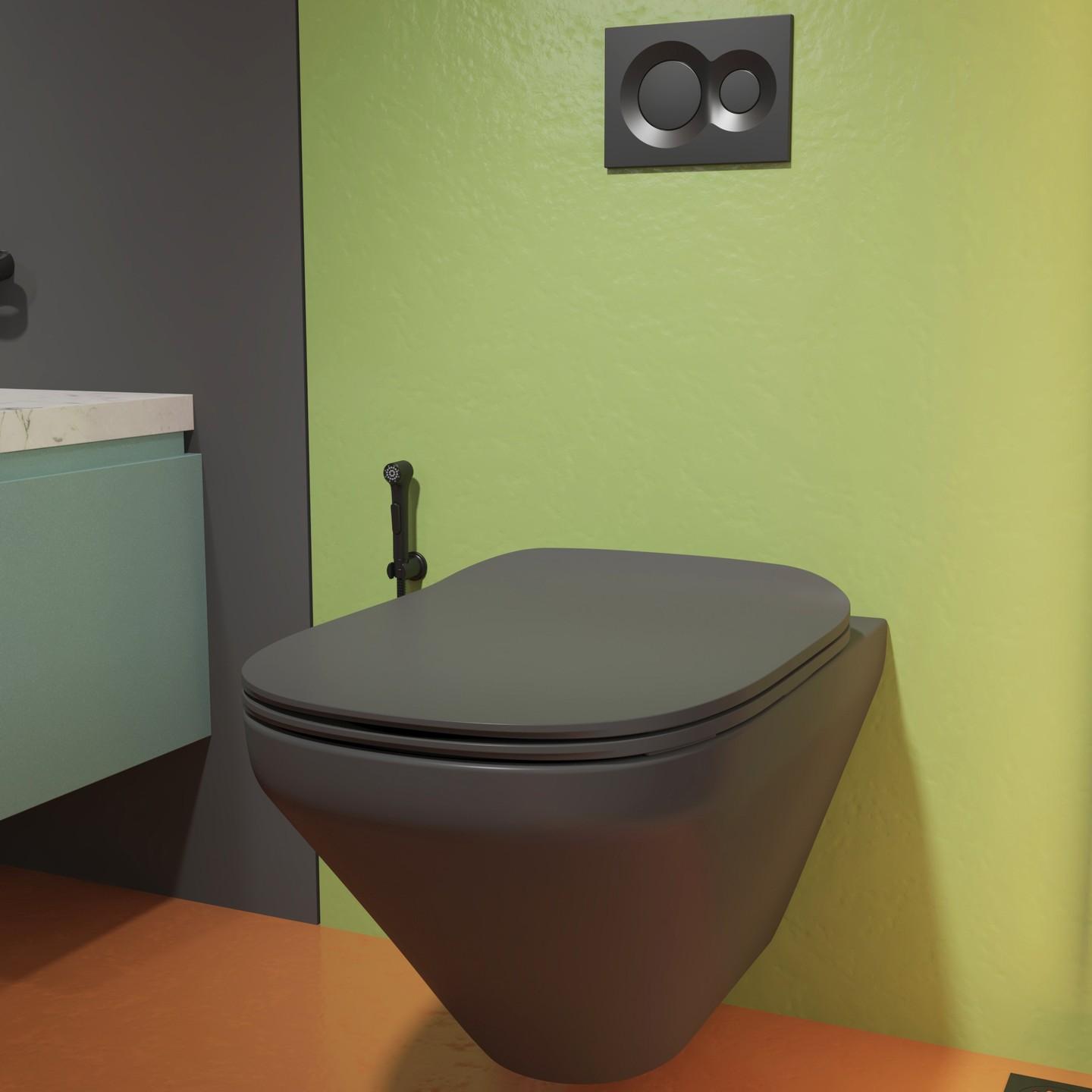
Modern toilet designs favour simplicity. Exposed mechanical components and bulky bases clash with contemporary design principles. The wall-mounted approach aligns with minimalist aesthetics by concealing everything except the bowl itself.
Traditional models display cisterns, bases and plumbing. Wall-hung versions hide these elements behind finished walls. Only the clean ceramic form remains visible. The eye registers sleek lines rather than mechanical complexity.
Finish choices include classic white, matte black and soft grey. The suspended installation enhances any colour selection. The fixture transitions from appliance to intentional design statement.
Water Efficiency Through Engineering
Water consumption matters. Household budgets feel the impact of excessive use. Environmental concerns make conservation increasingly relevant. Modern toilet design addresses both priorities through improved flushing technology.
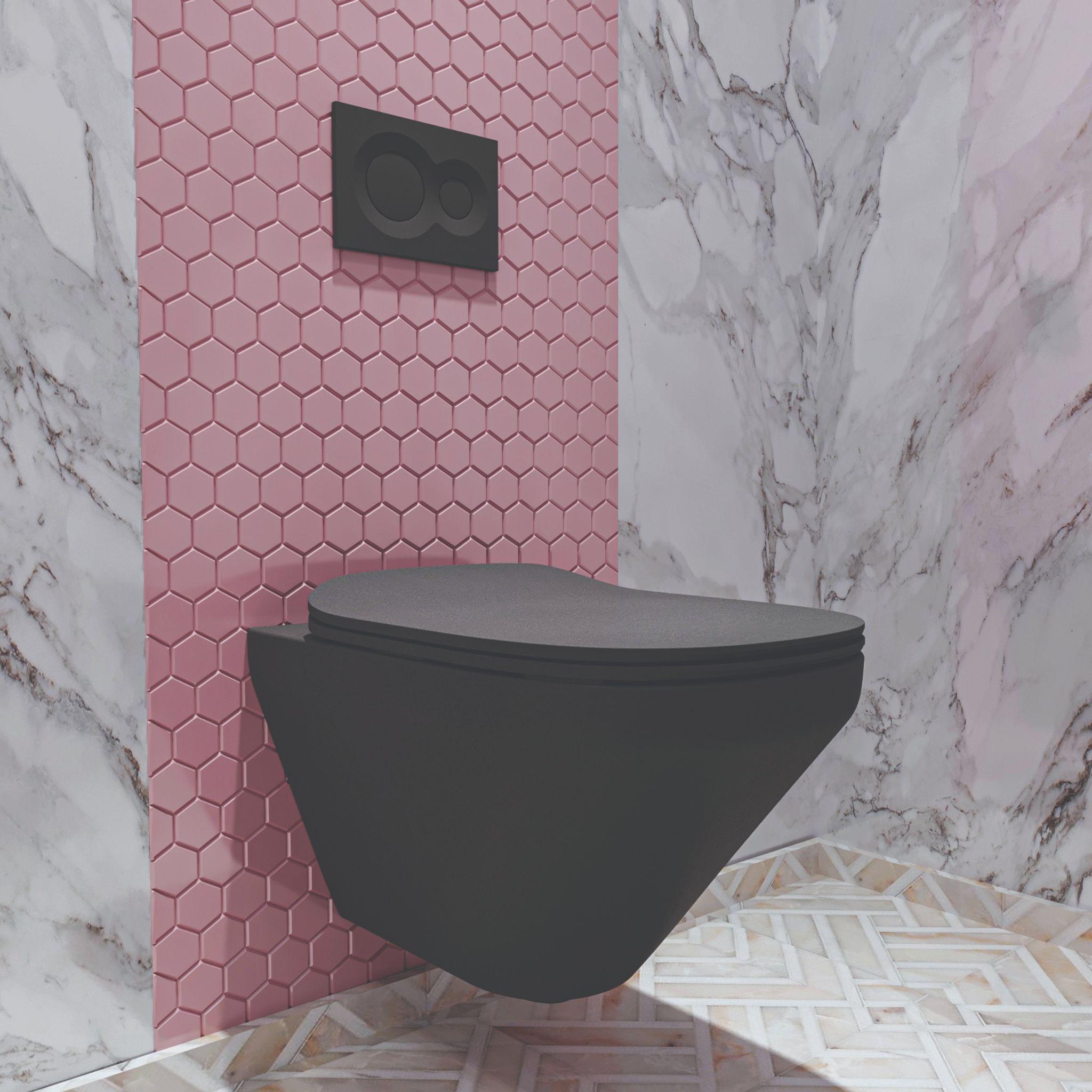
Kohler develops systems that reduce water use whilst maintaining performance. Dual-flush mechanisms offer control over consumption. Partial flushes handle liquid waste. Full flushes manage solid waste. This distinction prevents unnecessary water use throughout each day.
Savings compound over time. Monthly water bills decrease. The smart toilet price in Africa reflects long-term value when efficiency benefits factor into overall costs.
Technology Integration Expands Options
The smart toilet category has broadened beyond luxury installations. Heated seats, automatic lids, integrated bidets and odour control now appear across multiple price points. These features enhance comfort and hygiene in everyday bathrooms.
Pairing smart functions with wall-hung toilet design works particularly well. Wall cavities house electronic components efficiently. Control panels mount at accessible heights. Wiring stays hidden behind finished surfaces.
The smart toilet price in Africa varies with feature selection. Entry-level models add heated seats and soft-close lids. Premium versions include bidet functions, night lighting and air purification. Technology levels suit different budgets and preferences.
Durability Ensures Long-Term Performance
Quality bathroom fixtures last for decades with proper installation. Kohler Africa engineers products for sustained performance. Mounting systems must support fixture weight safely throughout the lifespan.
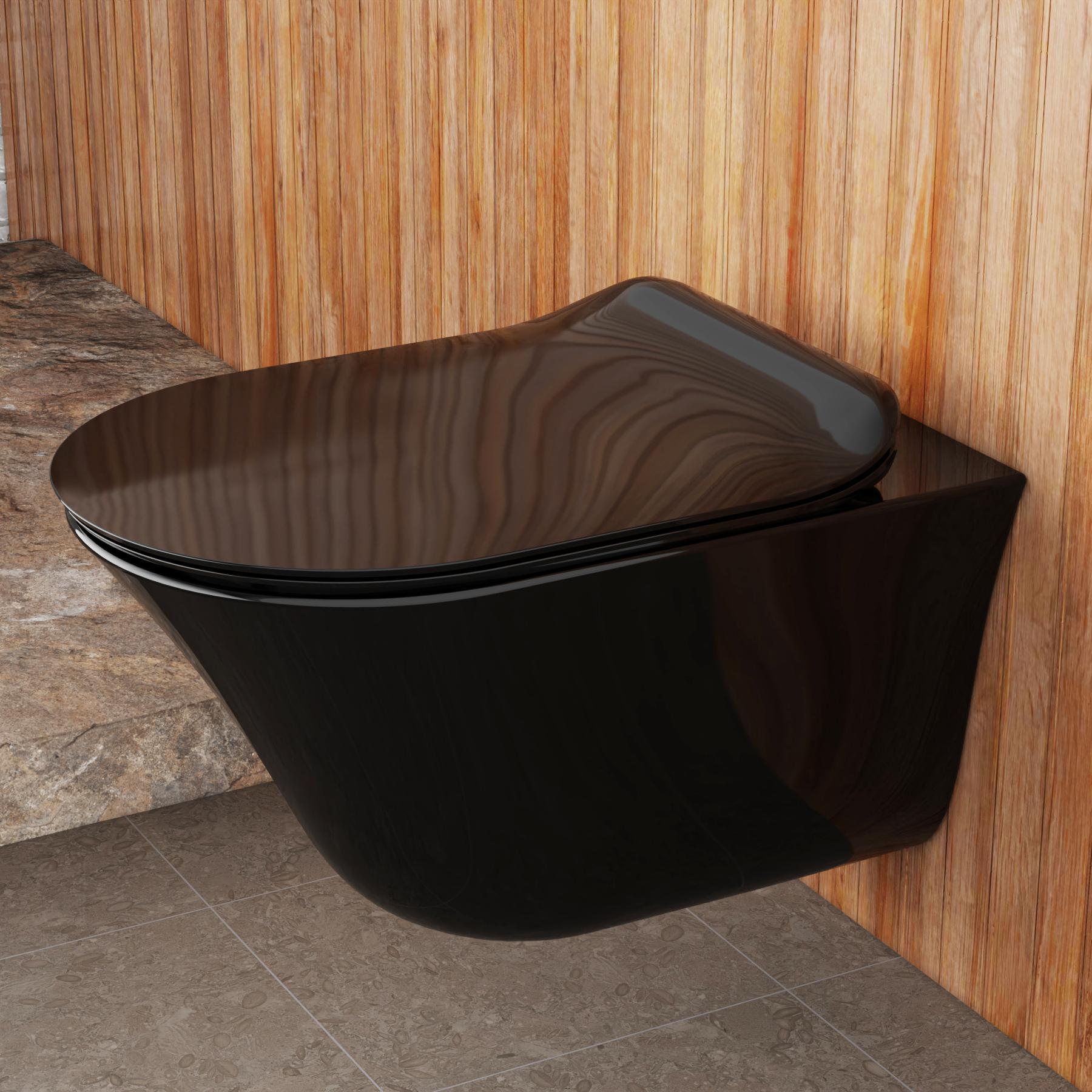
Ceramic bowls resist staining and wear. Concealed cisterns remain accessible through flush plate removal when maintenance becomes necessary. Components endure despite regular use.
Toilet seat design elements like hinges and closing mechanisms are used multiple times daily. Quality construction ensures smooth operation year after year. Durable components prevent premature replacement needs.
Installation Planning Matters
Bathroom renovations represent significant investments. The wall-hung commode delivers clear advantages in specific situations. Compact bathrooms gain functional space. Design-focused projects achieve contemporary aesthetics. Water-conscious households reduce consumption.
Installation involves more than surface-level changes. New construction accommodates wall-hung fixtures easily. Existing bathrooms require wall modifications to house the mounting frame and cistern. Structural support must handle fixture weight properly.
Planning determines success. Contractors assess wall construction and plumbing access before installation. Proper preparation prevents complications during and after fitting.
Practical Value in Modern Bathrooms
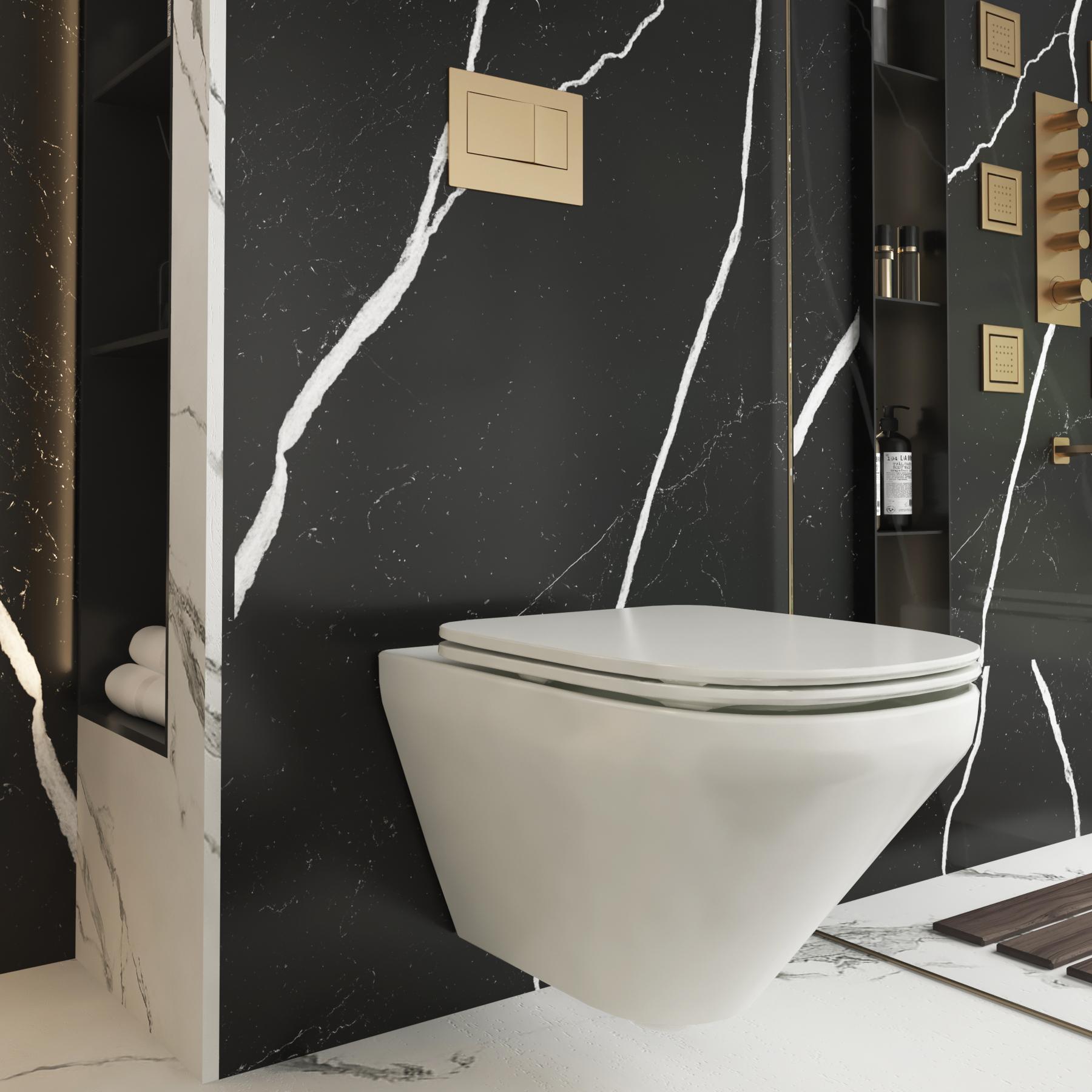
The commode toilet has shifted from a basic necessity to a design component. The wall-hung toilet section shows how fixture choices shape bathroom functionality and appearance. Space efficiency, maintenance ease and aesthetic impact combine into tangible benefits.
Thoughtful selection creates bathrooms that function beautifully whilst meeting practical requirements. Fixtures either enhance daily experiences or simply occupy space. The difference lies in understanding how design choices affect real use over time.
Frequently Asked Questions
Why should one switch to wall-hung toilets?
Bathrooms gain visual space when the floor area extends uninterrupted beneath the fixture. The cistern hides inside the wall cavity. What remains is a clean ceramic form against the wall surface. This creates the contemporary look many modern bathrooms aim for.
Are wall-hung toilets strong and safe to use?
High-strength concealed frames anchor these fixtures to wall studs or masonry. Engineers design mounting systems to handle substantial weight loads. Proper installation delivers stability that lasts decades. Safety comes from structural support built into the wall itself.
Do wall-hung toilets make cleaning easier?
Floor access changes completely. Mops move freely across tiles beneath the bowl. Corners and gaps around traditional bases disappear entirely. Less dirt builds up when surfaces stay reachable. Bathroom hygiene improves when maintenance becomes simpler.
Do wall-hung toilets help save water?
Dual-flush cisterns pair with most wall-hung models. Light flushes use less water for liquid waste. Full flushes handle solid waste. This choice reduces consumption whilst maintaining proper waste removal. Water savings add up over daily use.