Getting the Shower Height Right Changes More Than People Expect
People usually notice bad shower placement only after the bathroom is fully finished.
That is when the complaints begin.
The water falls awkwardly. Taller family members have to bend slightly. Sometimes the overhead shower sprays too widely and half the water lands outside the shower area.
Most of this comes down to one thing: shower head height.
It sounds minor while planning the bathroom. Later, it becomes part of everyday comfort.
Why Standard Measurements Do Not Always Work
There is a commonly used standard shower head height in residential bathrooms. Most installers place the fitting roughly around 80 inches from the floor.
But actual homes are rarely identical.
Some bathrooms have lower ceilings. Some families are taller. Children may use the same bathroom too. A guest bathroom usually needs different planning compared to a master bathroom.
That is why experienced installers rarely follow one number blindly.
They usually look at the space first.
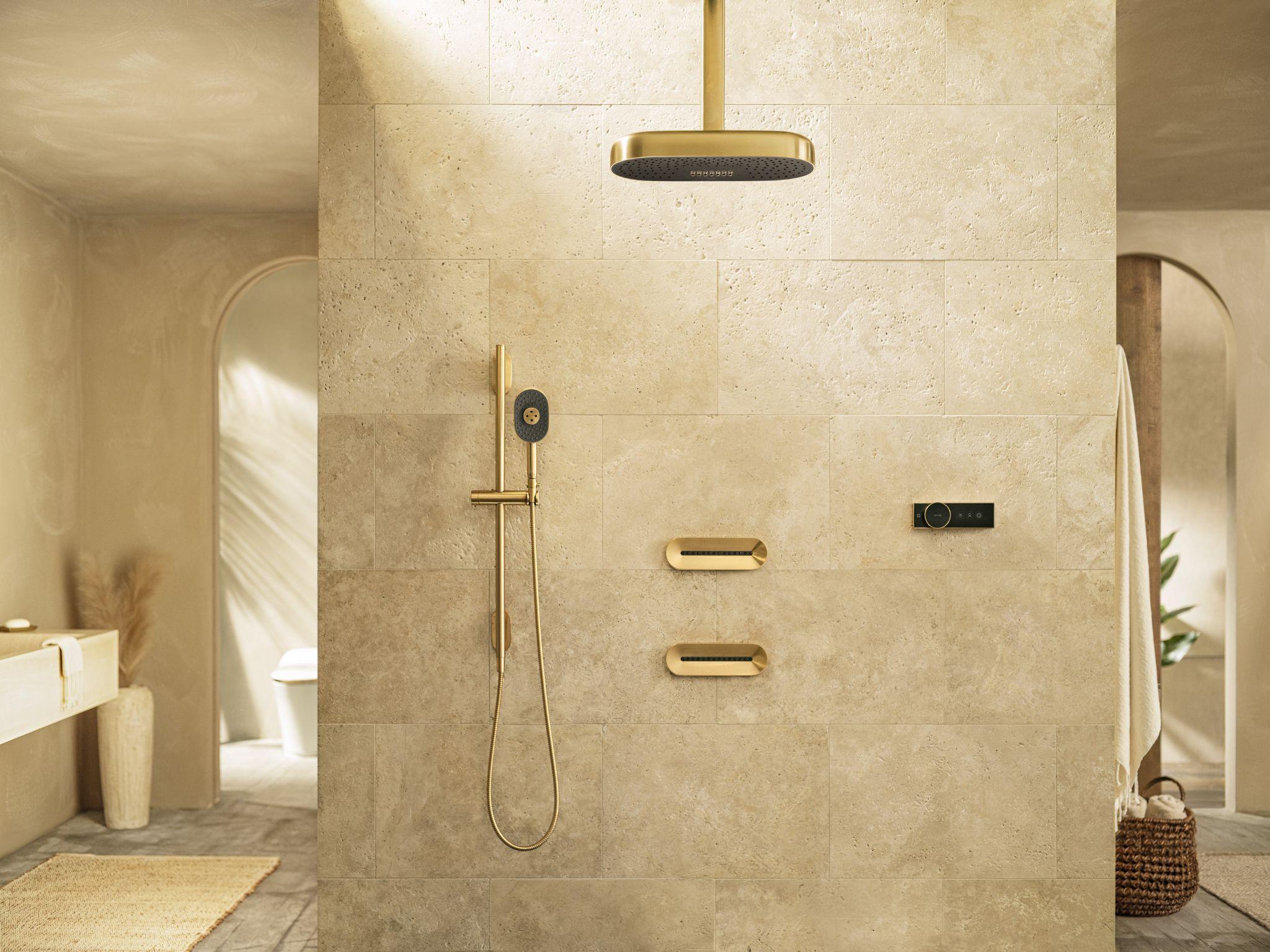
Understanding Shower Head Height From Floor
The term shower head height from floor simply refers to the distance between the bathroom floor and the shower fitting.
That distance affects comfort more than people initially realise.
If the shower sits too low, the experience starts feeling cramped. If it is too high, the water pressure can feel weaker by the time it reaches the user.
Even visually, incorrect placement can make a bathroom feel slightly off balance.
People may not immediately identify the problem, but they notice something feels uncomfortable.
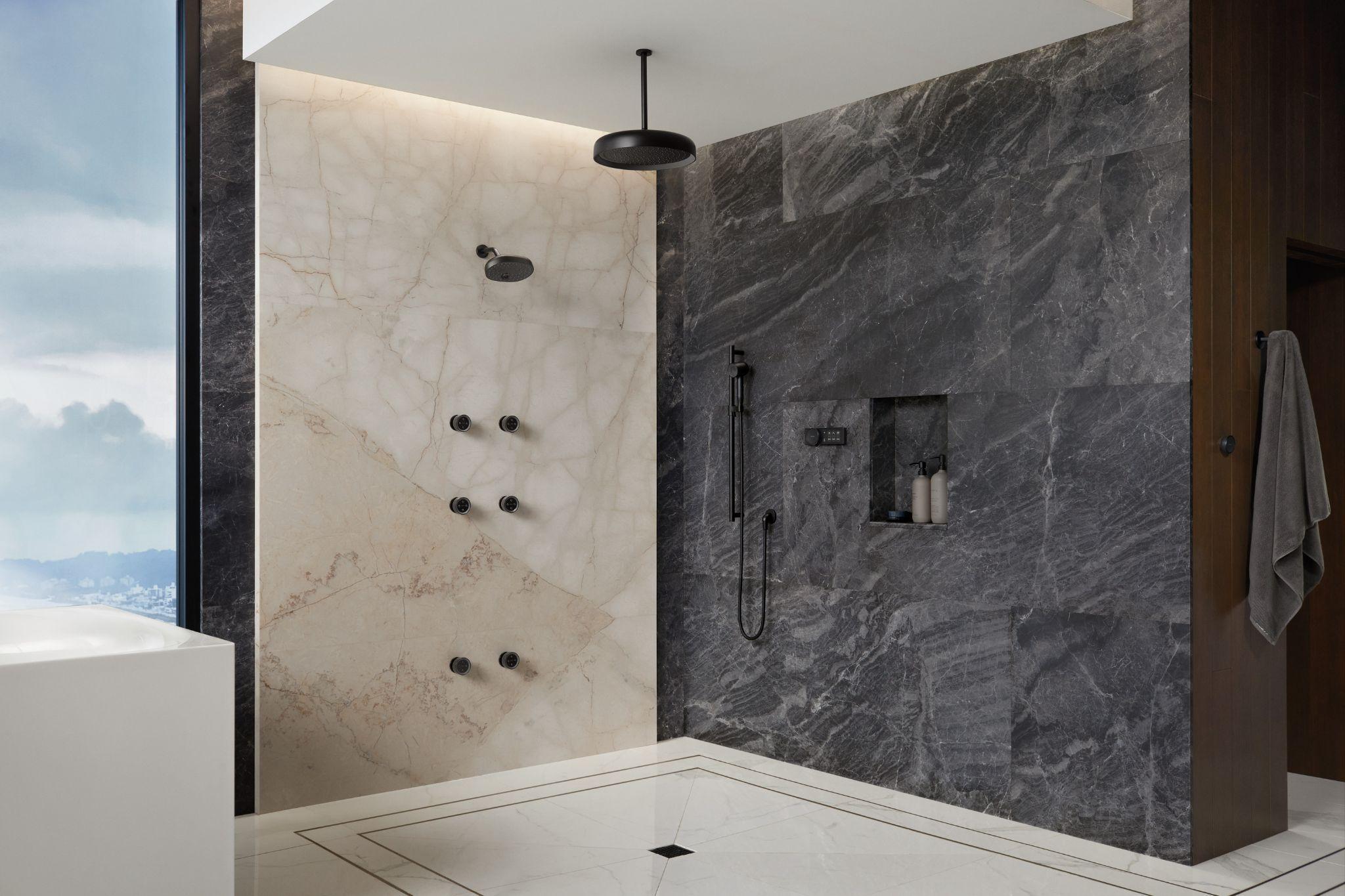
Rain Showers Need More Careful Planning
A regular wall-mounted shower and a rain shower behave very differently.
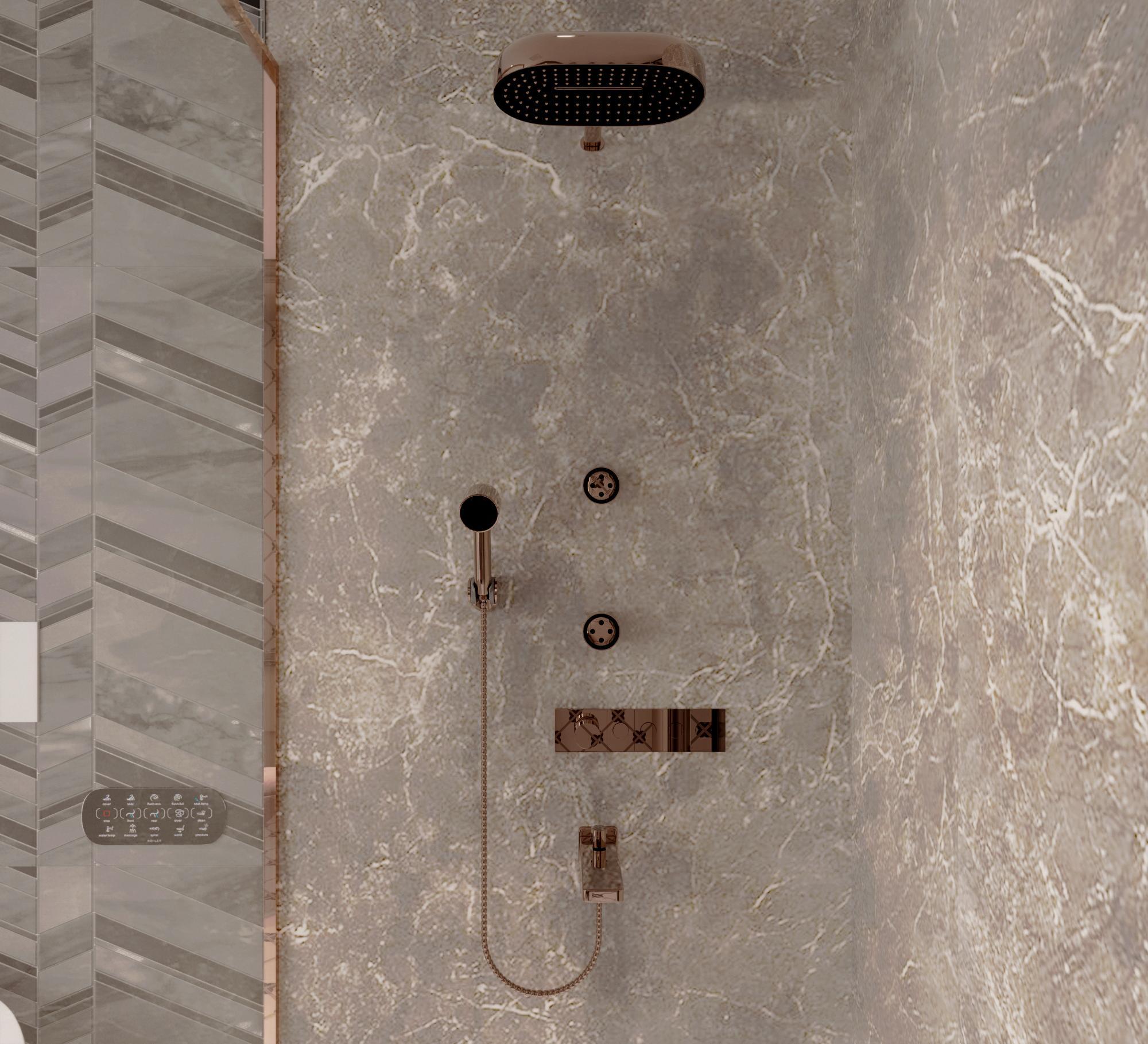
A rain shower head height needs more attention because the water falls vertically from above instead of spraying forward.
When installed properly, the flow feels soft and natural.
When installed badly, it feels disappointing very quickly.
Some rain showers are fixed too low and end up making taller users uncomfortable. Others are installed extremely high because people assume higher automatically means luxurious.
That also creates problems.
Water spread weakens. Splashing increases. Sometimes the water loses the relaxing overhead effect completely.
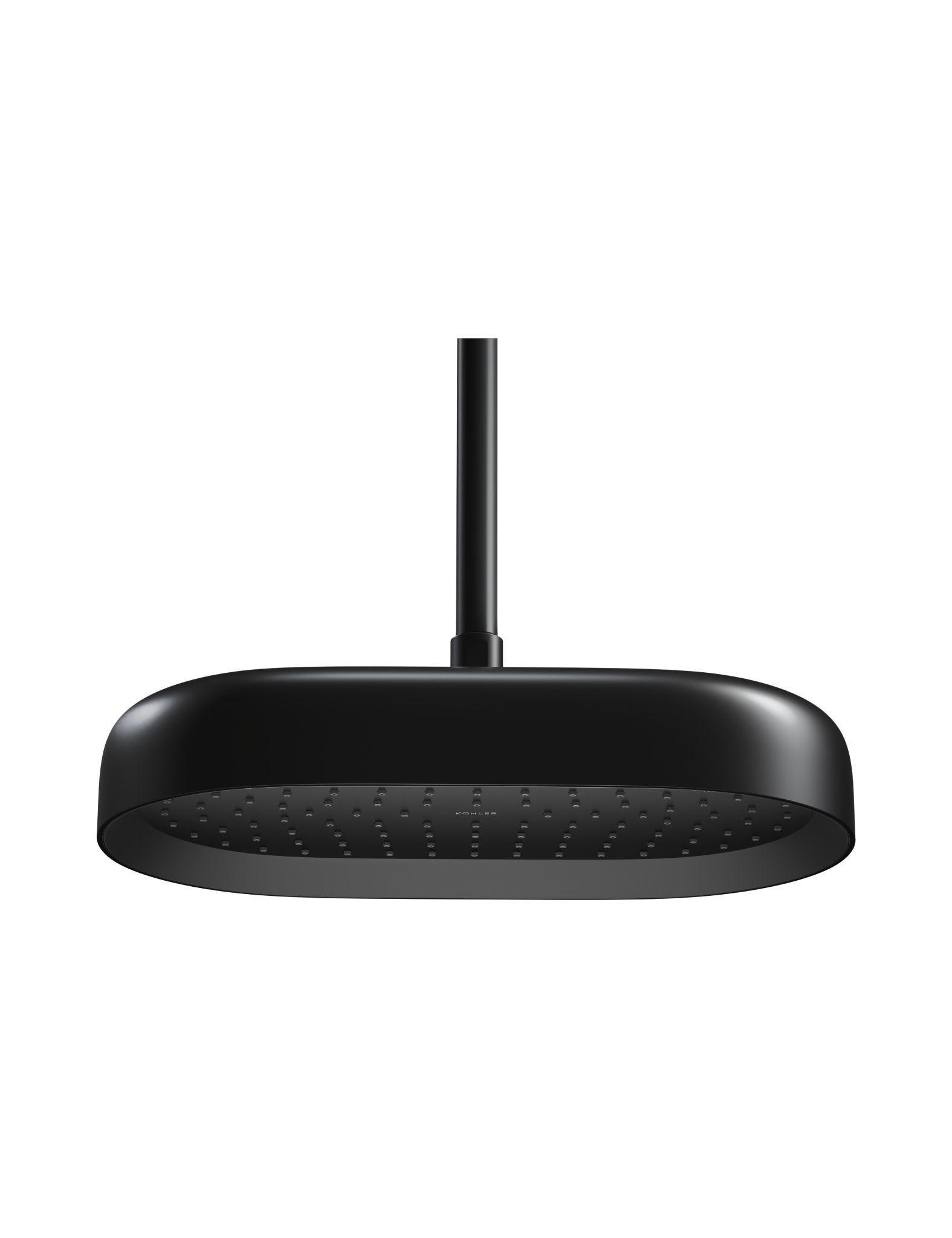
What Is the Standard Rain Shower Head Height?
Most bathrooms place the standard rain shower head height somewhere between 7 and 8 feet.
Still, installers adjust this depending on ceiling height and bathroom size.
In compact bathrooms, lowering the fitting slightly can actually improve comfort. In larger bathrooms with higher ceilings, a taller setup often feels more balanced visually.
That is why there is no perfect universal formula.
The correct rainfall shower head height depends on the actual space and the people using it.
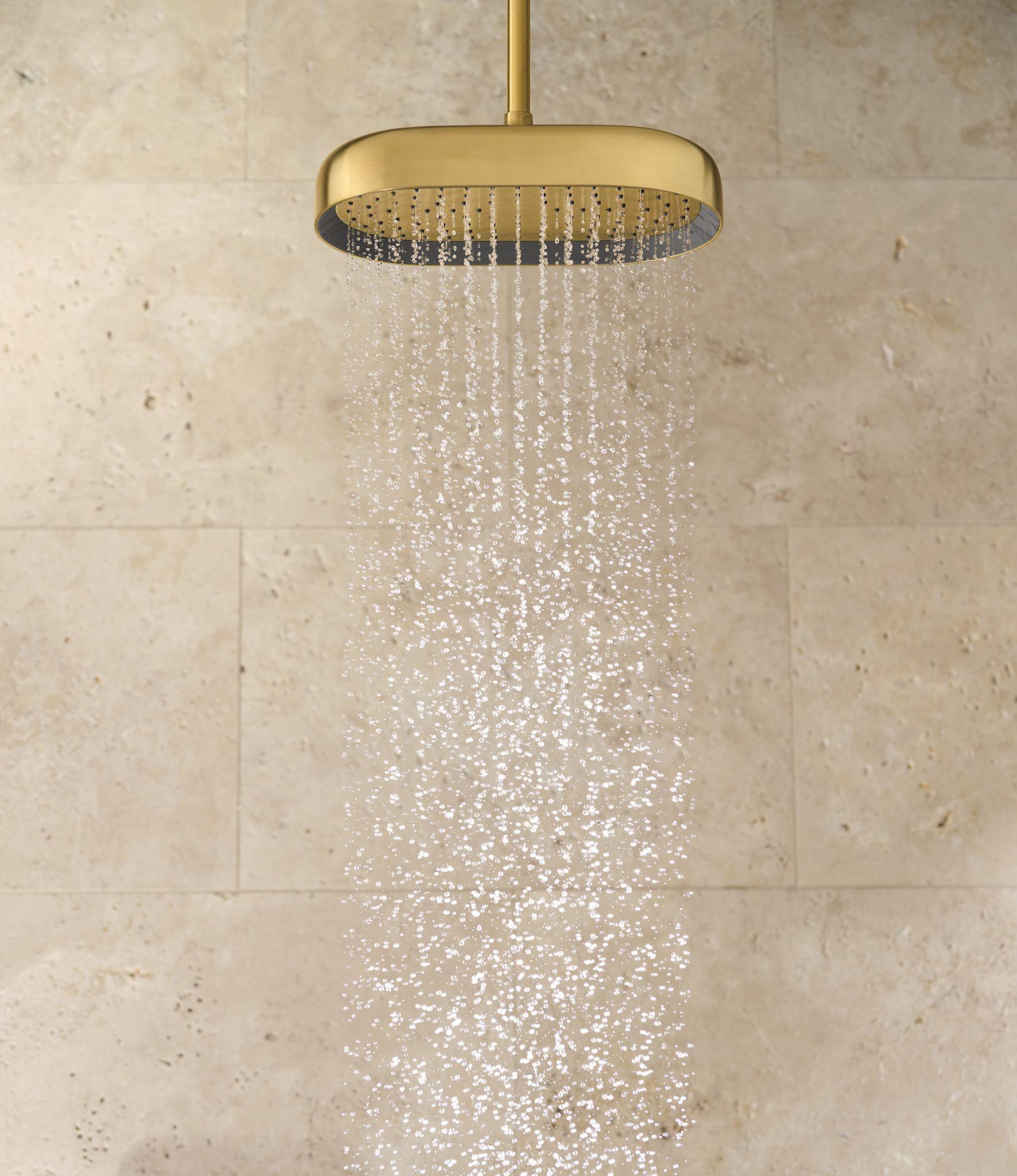
Small Details Matter More Later
Bathroom planning often becomes heavily focused on appearance.
Tiles. Lighting. Vanity mirrors. Finishes.
But daily comfort usually depends on smaller technical decisions.
Before deciding on the best shower head height, installers generally think about:- user height,
- ceiling level,
- water pressure,
- shower area size,
- and shower type.
A few inches higher or lower can completely change the experience.
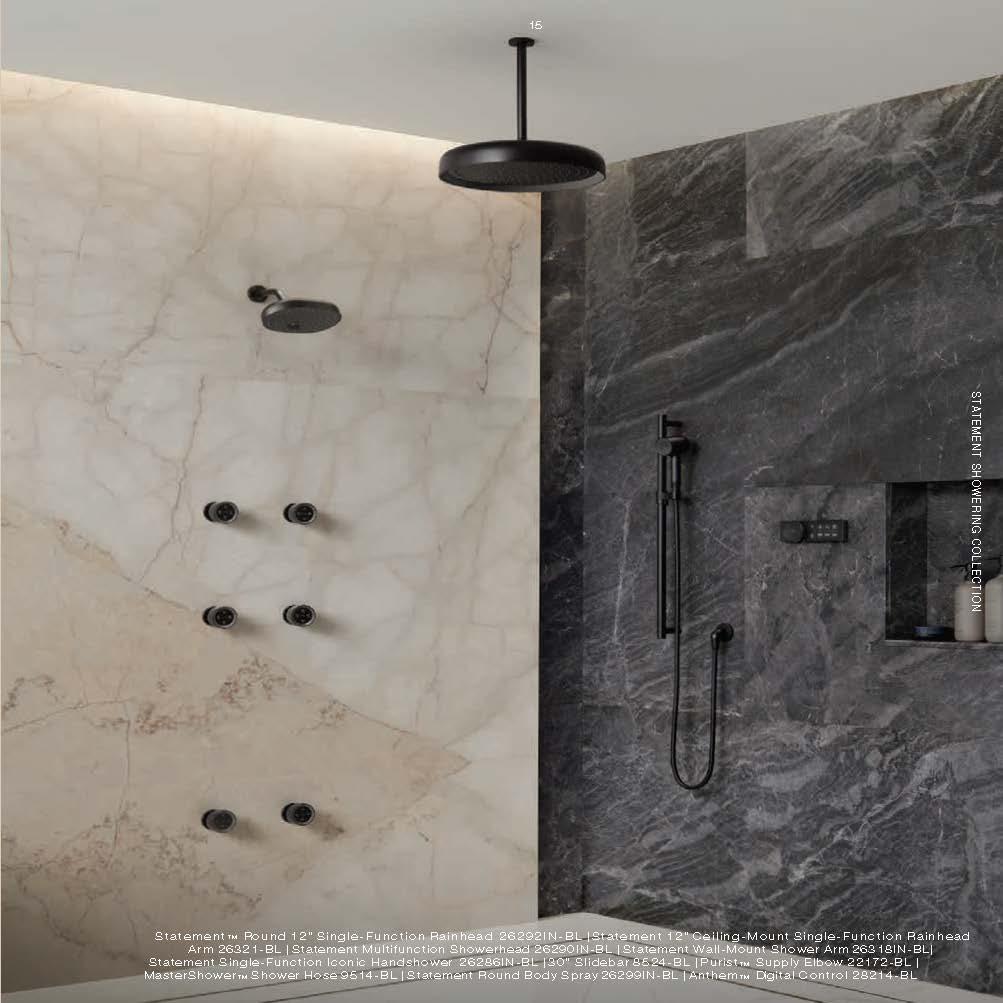
That becomes especially noticeable in overhead shower systems.
Bathrooms Feel Different Today
Bathrooms are no longer treated as purely functional corners of the house.
People now expect them to feel calmer, cleaner, and more comfortable overall.
That shift is one reason details like shower head height from floor measurements receive more attention today than before.
A badly positioned shower becomes noticeable every single morning.
A correctly placed one disappears into the routine because it simply works naturally.
That is usually the goal of good bathroom design.
Why Installers Prefer Practical Adjustments
One interesting thing professionals often mention is that online measurements only help to a certain point.
Actual bathrooms vary too much.
For example, a family with taller members may need a higher standard shower head height than average recommendations. A compact apartment bathroom may need slightly lower placement to control water spread.
Similarly, a luxury overhead setup may require a carefully adjusted rain shower head height instead of generic measurements copied from catalogues.
The best bathrooms usually feel comfortable because somebody paid attention to these small adjustments early.
Final Thoughts
Choosing the correct best shower head height is not really about following one exact industry number.
It is more about making the bathroom comfortable for regular use.
The same applies while selecting the proper standard rain shower head height or deciding the ideal rainfall shower head height for overhead systems.
Bathrooms are everyday spaces. Tiny discomforts become noticeable very quickly when repeated daily.
That is why thoughtful planning matters.
Brands like Kohler Africa continue focusing on bathroom solutions designed around comfort, usability, and long-term experience. From premium rain showers to modern fittings, well-designed products help create bathrooms that feel practical as well as visually refined.
Frequently Asked Questions
Q: What is the standard shower head height?
The usual standard shower head height is around 80 inches from the floor, though many installers adjust it according to bathroom size and user comfort.
Q: What is the ideal shower head height from floor?
The ideal shower head height from floor depends on user height, ceiling level, and shower type. Most homes keep it between 6.5 and 7 feet.
Q: What is the standard rain shower head height?
The commonly used standard rain shower head height usually ranges between 84 and 96 inches from the floor.
Q: Why is rainfall shower head height important?
The correct rainfall shower head height improves comfort, water flow, and overall shower experience, especially in overhead shower systems.