Finding the Right Double Bowl Sink Size for Modern Kitchens
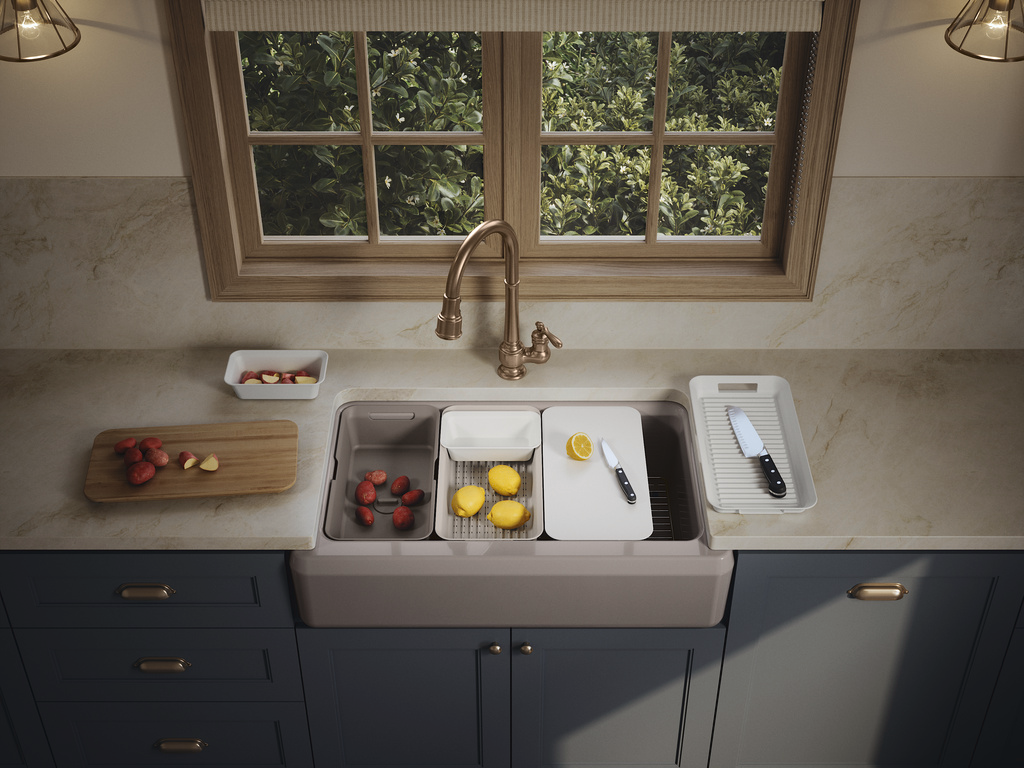
Kitchen plans have changed through 2025. Counter space is tight. Water pressure jumps. Cooking volumes are high. The sink absorbs that stress. Pick the wrong one and issues show up fast: shallow bowls, constant splash, slow drainage.
On recent projects from Lagos to Nairobi, one item keeps landing on the schedule. Double bowl kitchen sink. Not for the look. For how it works.
Why Double Bowl Still Makes Sense
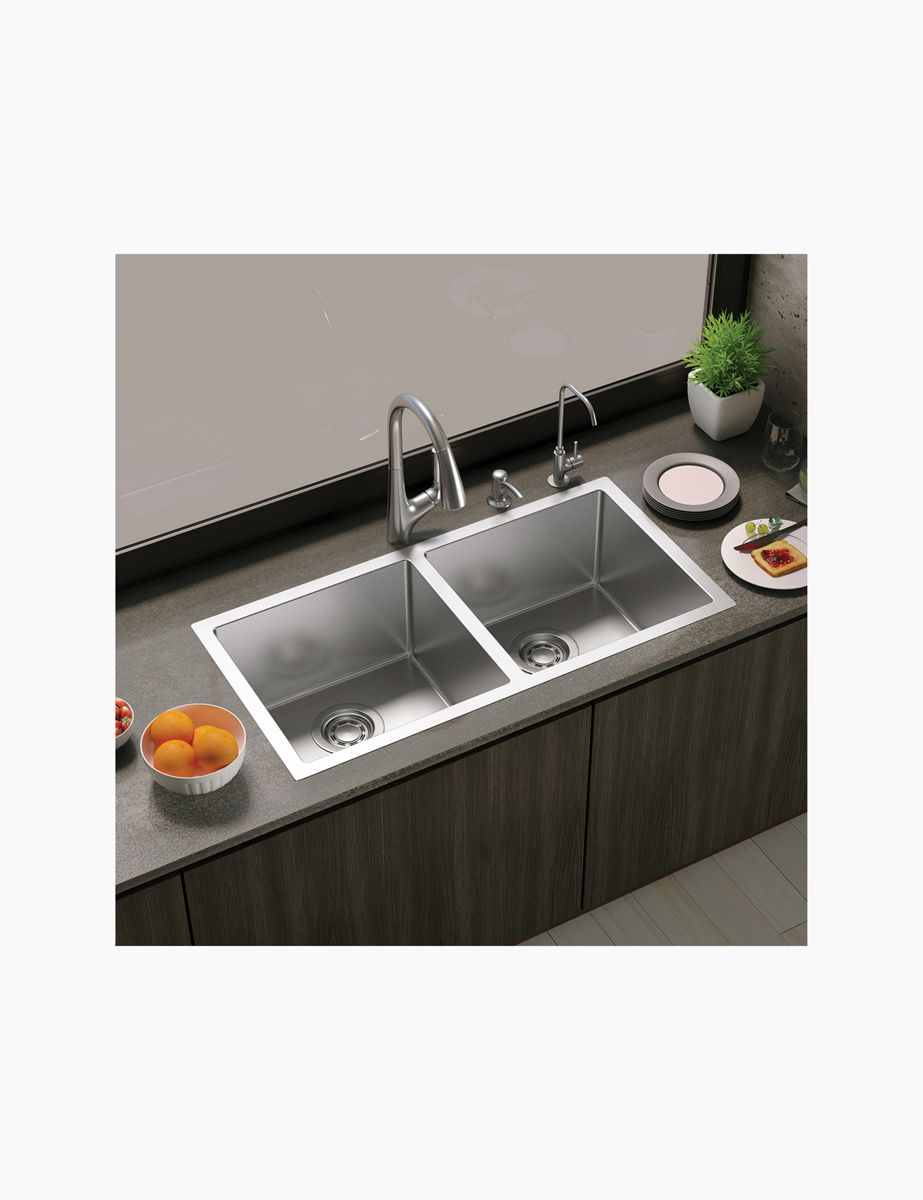
Single bowls work in small flats. Kitchens run differently. Big pots. Multiple rinses. Soaking. A double kitchen sink splits those jobs. Wash with soap on one side. Rinse under the tap on the other. Beans can soak while pans get cleaned. That separation saves time daily.
Size decides everything. Too narrow and a 30cm pan will not lie flat. Too deep and water gets wasted. Most specs now aim for 320mm to 380mm bowl depth. That range takes stockpots without constant refilling. Each bowl usually sits between 400mm and 450mm wide. Less than that means stacking instead of washing.
Start With Material: Stainless Steel Sinks Carry the Load
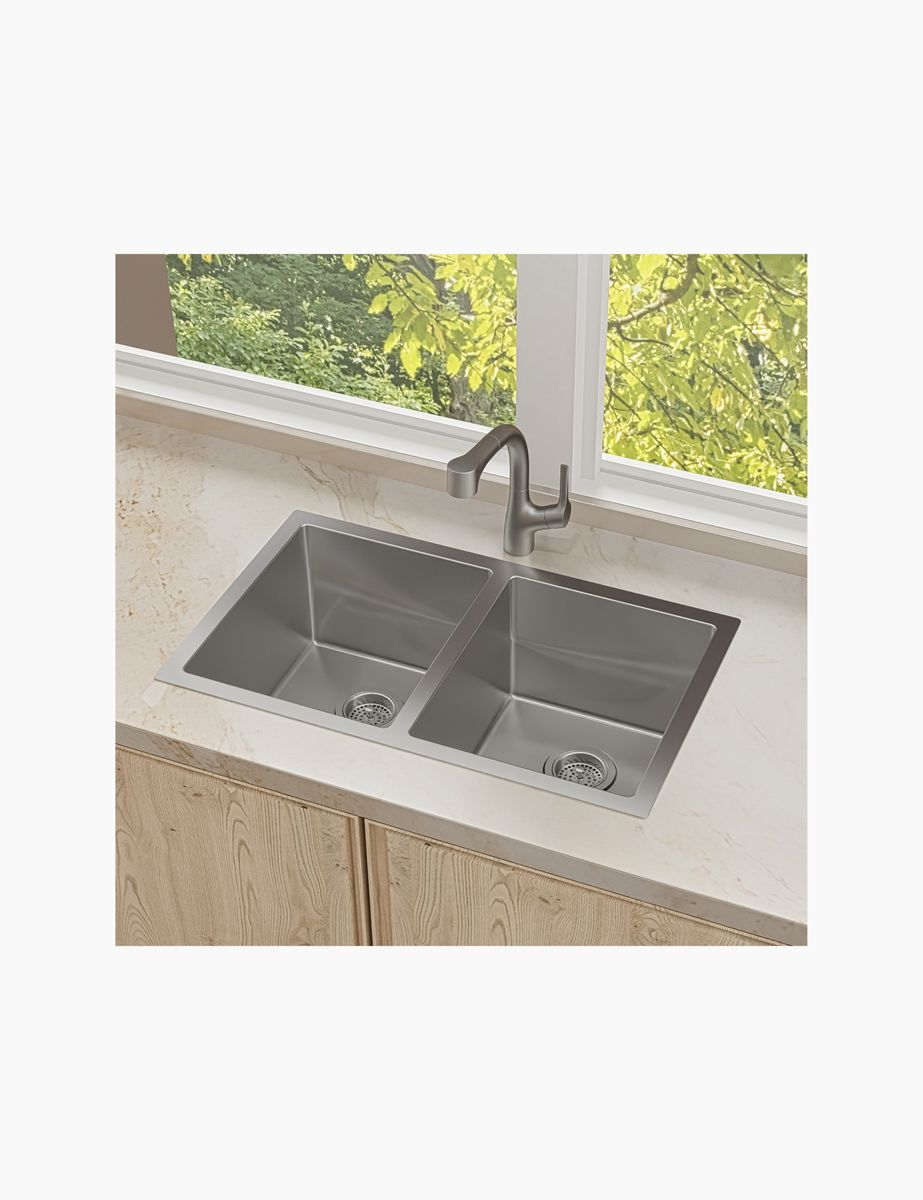
Finishes shift. Materials do not. Stainless steel sinks stay the default across kitchens. They handle heat, resist stains, and cope with hard water better than acrylic or composite options.
Gauge gets missed often. It means steel thickness. 18-gauge to 20-gauge holds shape under daily abuse. Thinner 22-gauge dents when a pot drops. It also rings louder. Most decent stainless steel sinks now come with rubber undercoating and sound pads. That cuts the metallic noise when water hits.
Corner radius matters too. Sharp corners look clean but trap food. A slightly larger radius cleans faster. Small change. Big difference at cleanup.
Undermount Sinks for Cleaner Worktops
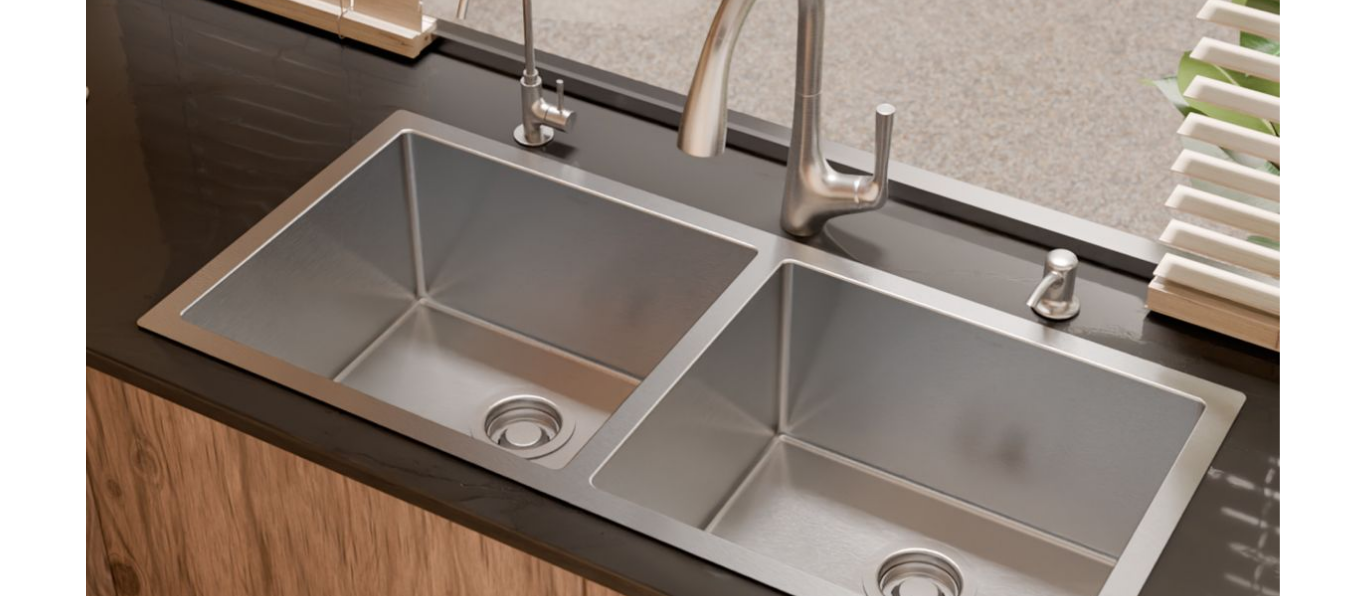
Exposed rims collect dirt and old silicone. Undermount sinks sit below the counter edge. Crumbs and water wipe straight into the bowl. No lip in the way. Installation is trickier. The fabricator needs precise support and a clean seal. The payoff is hygiene and a neater line.
For stone, quartz, or solid surface, undermount is now standard. Top-mount still works for budget retrofits or particleboard counters. New builds use undermount more often.
Tight Footprints: Small Sink for Kitchen Setups
Not every home allows an 800mm wide bowl pair. BQ units and studio flats need a small sink for kitchen layout that still performs. Unequal double bowls solve this. 70/30 split is common. Large main bowl takes pots. Small prep bowl handles vegetables or draining.
Depth beats width in tight spaces. A 360mm deep bowl at 420mm width holds more than a 380mm wide bowl at 200mm depth. Extra depth means less splash and fewer refills.
Finish Trend: Black Kitchen Sink Growing
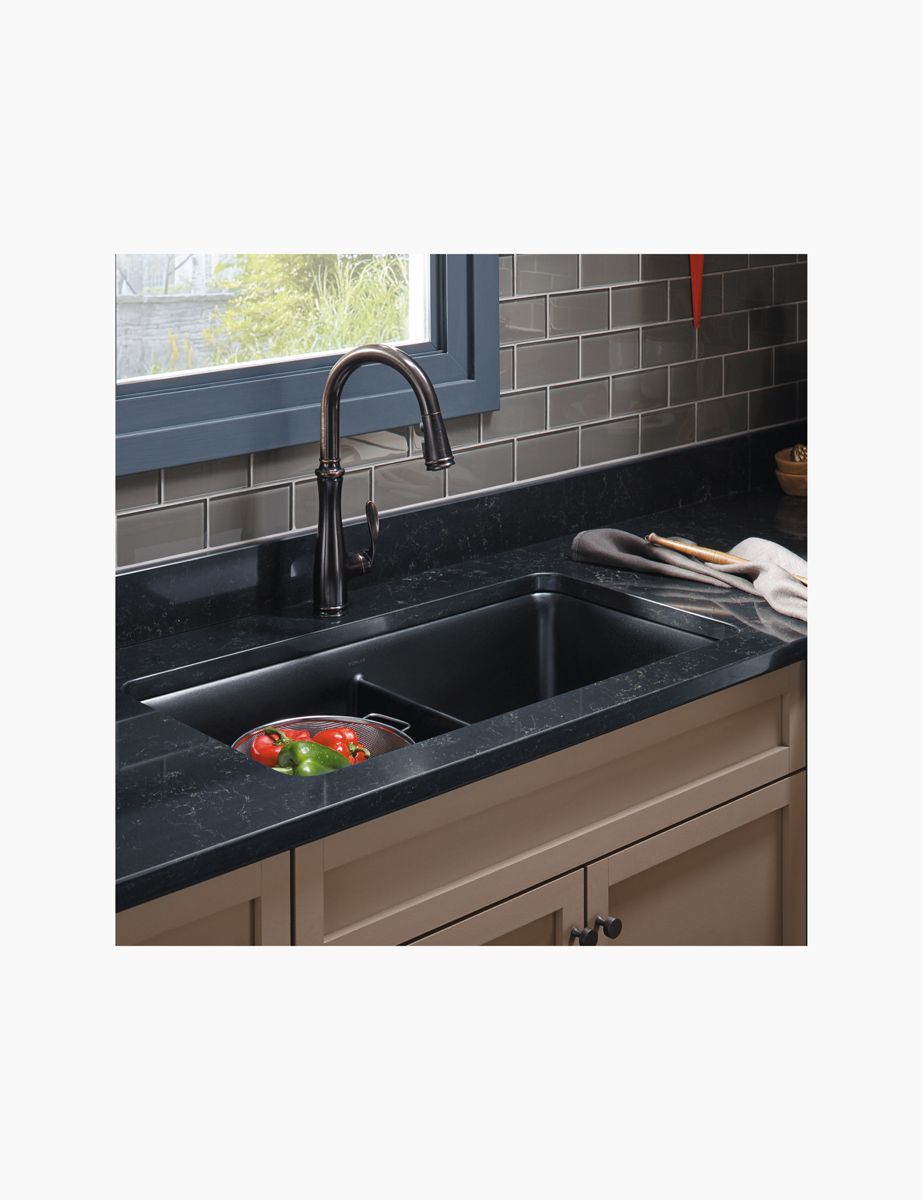
Brushed stainless still leads. Yet black kitchen sink specs are rising in 2025. PVD-coated black stainless hides water marks and resists scratches. It pairs with matte black taps and dark counters.
Coating quality decides lifespan. Cheap PVD chips in months under hard water. Tested PVD keeps color for years. When sourcing, ask for the coating spec. The swatch does not tell the full story.
Installation: Undermount Sinks vs Top-Mount Reality
Undermount needs solid counter support and correct clips. Poor fitting leads to leaks or sagging. Top-mount is more forgiving for DIY or sites where installer skill varies. The rim hides cutting errors.
For long-term use, undermount wins where counters and labor are professional. For quick retrofits, top-mount lowers risk. Site conditions decide.
Kitchen Sinks for Sale: Five Specs to Check
Search kitchen sinks for sale and prices spread wide. Five specs separate units that last from units replaced in two years:
- Steel gauge: 18–20 for heavy daily use. Thinner steel dents and rings.
- Bowl depth: 320mm–380mm for large cookware. Shallow bowls splash more.
- Drain position: Offset drains free up bowl space and under-sink storage.
- Soundproofing: Rubber undercoat plus pads reduce noise.
- Waste kit: Solid basket strainer and good gasket stop leaks.
Listings tagged sinks for sale often skip these details. Ask before buying. Two sinks can look identical in photos and perform very differently.
Other Configurations Seen in 2025
While double kitchen sink setups lead, other options appear. Single large bowls with an integrated drainer suit minimal kitchens. Triple bowls are rare outside catering kitchens. Corner sinks solve awkward layouts but cut usable bowl space.
For most homes, the unequal double bowl balances capacity and counter space best.
Conclusion: Spec for Use, Not Photos
The right sink is not the biggest or priciest. It matches daily kitchen work. For modern kitchens, that usually means a double bowl kitchen sink with deep bowls, made from heavy-gauge stainless steel sinks, fitted as undermount sinks where the counter allows.
Choices made at purchase set usability for years. Components built for local water and cooking habits keep the kitchen working long after handover.
For projects needing proven performance locally, some brands appear repeatedly. Kohler kitchen sinks show up on residential and commercial schedules because the engineering accounts for regional water chemistry and pressure variation. The range covers double bowl kitchen sink setups, 70/30 splits for small sink for kitchen layouts, and black kitchen sink finishes with PVD coating. Kohler units are tested against local infrastructure, not lab conditions only. During install, steel weight, weld quality, and drain design stand out versus lighter imports.
Frequently Asked Questions
Q: What size double bowl kitchen sink fits homes?
A double bowl kitchen sink with bowls 400–450mm wide and 320–380mm deep covers most cooking. For smaller areas, a 70/30 split small sink for kitchen layout gives space for pots plus a separate prep bowl.
Q: Undermount sinks or top-mount for 2025 kitchens?
Undermount sinks give cleaner counters and faster cleanup. Debris wipes straight in. Top-mount is easier for retrofits and hides cutting errors. In new builds with stone or quartz, undermount is now standard for kitchen sinks for sale in mid-to-high range projects.
Q: How do Kohler kitchen sinks handle hard water?
Kohler kitchen sinks use heavy-gauge stainless steel sinks with corrosion-resistant finishes and reinforced corners. Kohler models are tested for local water conditions and pressure variation. That reduces pitting and extends the life of double kitchen sink installs versus thinner steel.
Q: Are black kitchen sinks practical daily?
A black kitchen sink with PVD coating resists scratches and hides water spots better than paint. Coating quality decides durability. When checking sinks for sale, request PVD specs. Low-grade coatings fail fast in hard water. Tested finishes stay consistent for years.